
Yamaha CS80: Unveiling the Iconic Synthesizer’s Legacy
Introduced by Yamaha Corporation in 1977, the Yamaha CS-80 is a legendary analog synthesizer renowned for its rich sound and unparalleled expressiveness.
Historically significant, it was among the first synthesizers to feature true 8-voice polyphony. This allowed for complex soundscapes and thick layered tones.
Each voice consisted of two independent synthesizer layers, each controllable via a set of dedicated front panel controls.
This level of control, combined with its pre-set and user-customizable sounds, made the CS-80 a highly sought-after instrument among professionals and hobbyists alike.
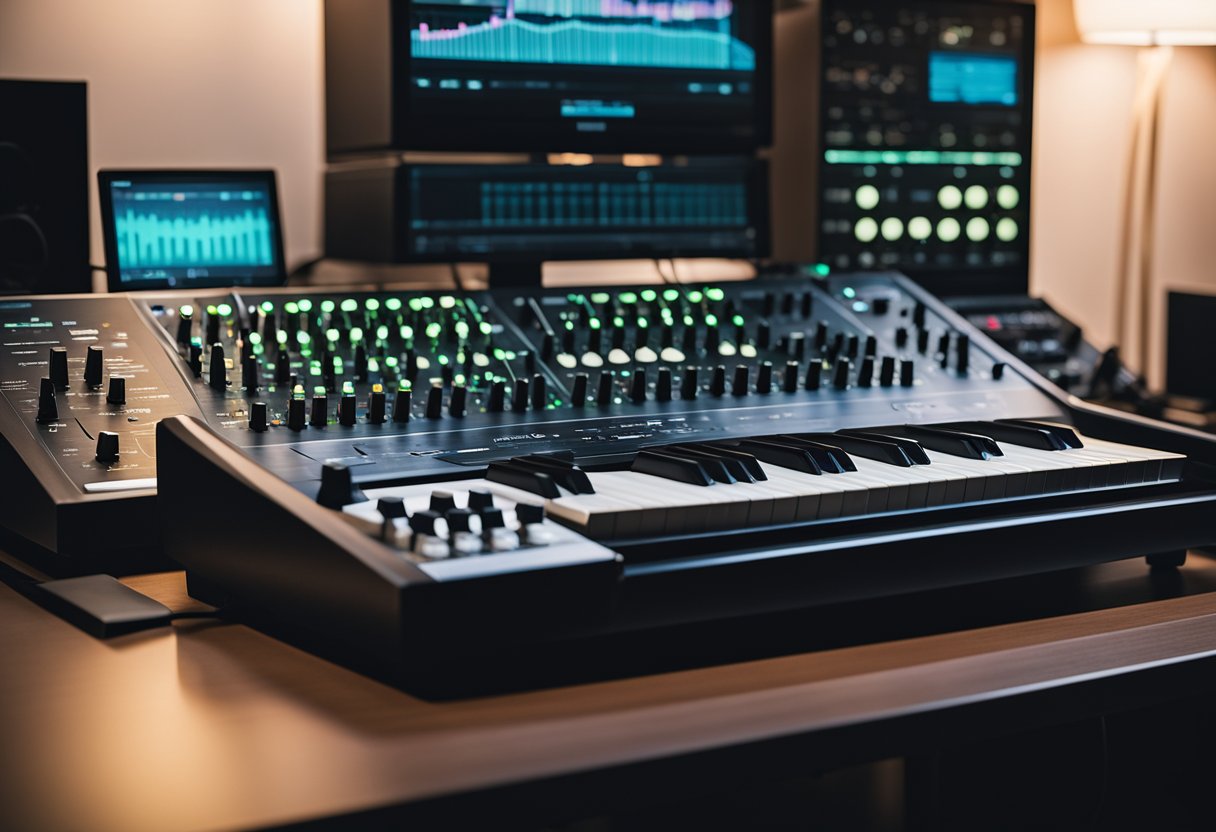
The sheer sonic presence and capabilities of the CS-80 have cemented its place in the pantheon of classic synthesizers.
Its weighted keyboard with polyphonic aftertouch and ribbon controller offered previously unmatched levels of performance expression.
Moreover, the synthesizer was characterized by a distinct filter system, and robust modulation options, which contributed to its ability to create both delicate and dramatic sounds that were ahead of its time.
The CS-80 has been widely used in various musical genres, leaving an indelible mark on the music of its era and influencing countless musicians and producers.
Key Takeaways
- The Yamaha CS-80 is a pivotal synthesizer with true 8-voice polyphony and dual-layered voices.
- Its expressive performance features and intricate sound design options set new standards in synthesis.
- The CS-80’s influence extends across genres and decades, underscoring its enduring legacy in music production.
Historical Significance
The Yamaha CS-80 is renowned for its breakthroughs in synthesizer technology and its enduring influence in music production.
Its distinctive sound and performance features have solidified its status as a staple in the pantheon of classic synthesizers.
Development and Release
The CS-80 was introduced by Yamaha Corporation in 1977, setting a new standard for polyphonic synthesizers of the time.
This instrument supported true 8-voice polyphony, with dual layers per voice, allowing for rich and complex soundscapes.
The design included preset voice settings and manual control options, underscoring Yamaha’s commitment to versatility and expressivity in electronic music instruments.
It reflected a significant advancement in synthesizer technology, integrating features that were pioneering for its era.
Notable Users
Many prominent artists and composers have utilized the Yamaha CS-80, attracted by its expressive controls and dynamic sonic capabilities.
The synthesizer was famously used by Vangelis, creating the iconic soundscape of the Blade Runner soundtrack.
It was also favored by jazz musician Stevie Wonder and featured in the work of progressive rock band Yes.
The CS-80’s use by these and other influential musicians has contributed to its legendary status and has had lasting impact on the music industry.
Technical Overview
The Yamaha CS-80 is renowned for its rich analog sound and elaborate control interface, setting a high standard in synthesizer design and functionality.
Sound Generation
The CS-80’s sound engine is an analog one, relying on Voltage-Controlled Oscillators (VCOs) for its fundamental sound source.
It boasts an 8-voice polyphony, each with two independent synthesizer layers.
These layers are each equipped with their range of controls, allowing for intricate tonal shaping.
The CS-80’s sound is further characterized by its unique filter design, involving resonant low and high-pass filters, which can be modulated using aftertouch for dynamic expression.
Additionally, the synthesizer offers Velocity-sensitive and Polyphonic Aftertouch features, making the CS-80 highly expressive and ahead of its time.
User Interface
The user interface of the CS-80 features a myriad of front panel controls, facilitating hands-on manipulation of sound parameters.
It includes:
- Polyphonic Aftertouch slider
- Ring modulator and noise generator controls
- Ribbon controller for pitch bends and nuanced expression
Users also have access to hardwired preset settings and four banks of subminiature potentiometers for storing parameter configurations.
Despite its plethora of controls, the CS-80’s interface is lauded for its logical layout, enabling users to intuitively sculpt sounds.
Musical Influence
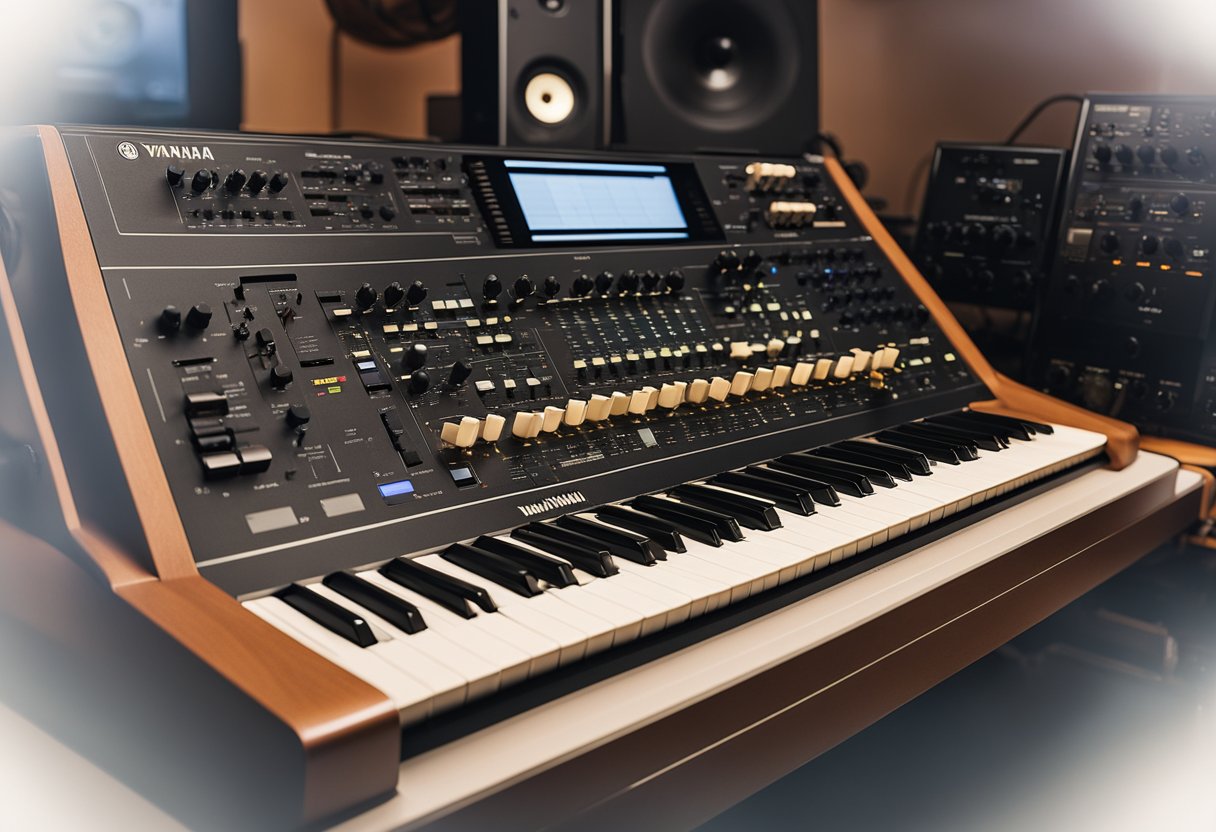
The Yamaha CS80’s unmistakable sound has left a significant mark in various music genres and its role extends deeply into modern music production.
Genres Impacted
The Yamaha CS80 played a pivotal role in defining the sound of the late 1970s and 1980s, contributing heavily to genres such as progressive rock, electronic, and film scores.
It equipped artists like Vangelis with the perfect blanket of sound for film themes, such as the iconic score of Chariots of Fire.
The synthesizer’s rich, expressive tones also found a home in the musical landscapes of jazz fusion and pop, aiding musicians in creating textured, atmospheric layers in their compositions.
Legacy in Music Production
The CS80’s influence in music production is undeniable.
It’s an iconic piece of gear that represents the luxury of vintage analog hardware.
Despite its historical context, the CS80 still carries a high market value and remains sought after for its lush sounds and hands-on control.
Modern software emulations attempt to capture its essence, allowing a new generation of musicians to experience its legendary sound. This has ensured the CS80’s legacy persists within contemporary music production.
Preservation and Emulation
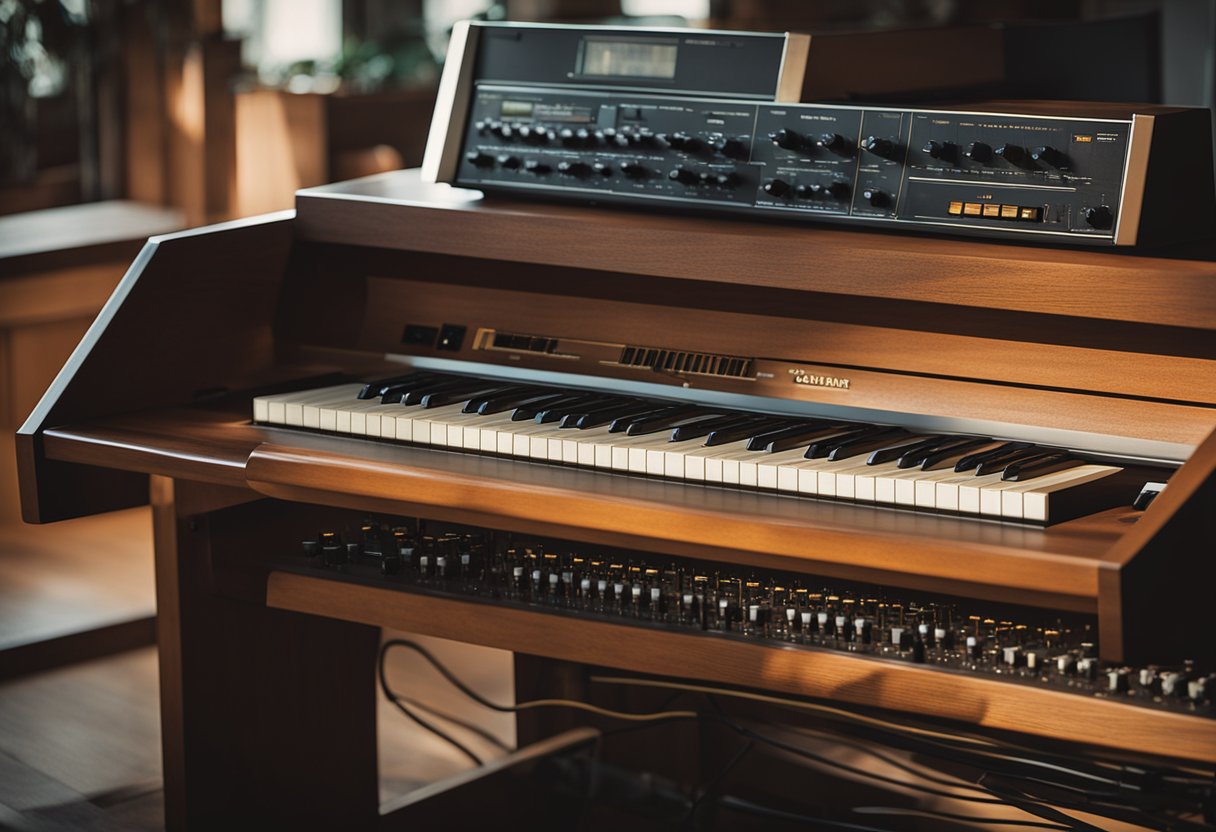
The Yamaha CS-80’s impact on music has driven efforts to preserve its legacy through physical maintenance and digital emulation.
Hardware Preservation
The Yamaha CS-80 is a pinnacle of analog synthesis, and its physical preservation is a concern for enthusiasts and professionals alike.
Owners of the original hardware meticulously maintain these instruments, often facing challenges due to aging components and the scarcity of replacement parts.
Software Emulations
In contrast to the difficult preservation of the hardware, the CS-80 thrives in the digital realm through software emulations.
These virtual instruments recreate the CS-80’s sound and functionality for modern producers.
Notable examples include Arturia’s CS-80V, which captures the essence of the original synth, and Krakli’s Arminator, a free plugin that provides accessible CS-80 sounds to a broad audience.
Modern Usage
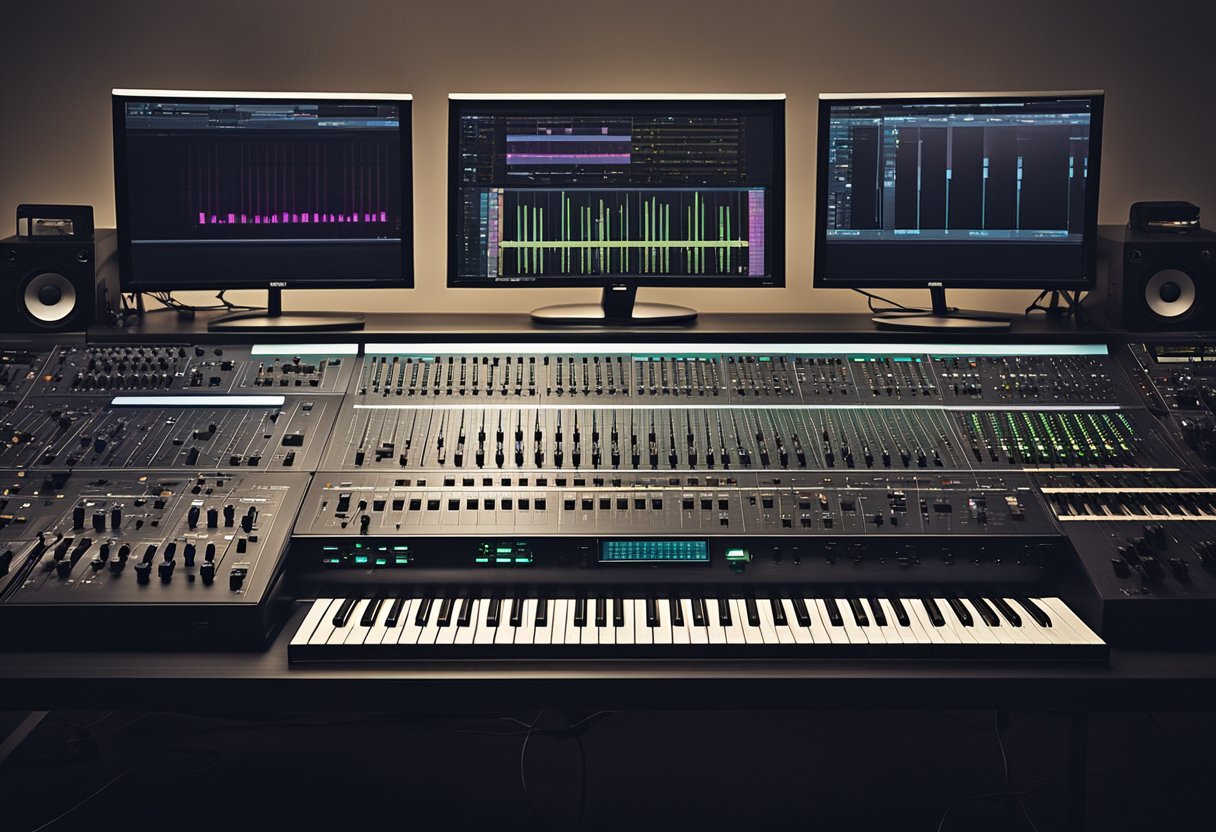
The Yamaha CS-80 remains influential in the contemporary music scene, its distinctive sound sought after by producers and musicians.
Renowned for its expressive capabilities, the CS-80 has been featured on modern recordings across various genres, illustrating its timeless appeal.
A testament to its enduring legacy is the high demand for this vintage synthesizer on second-hand markets, often commanding prices well above its original retail value.
In the realm of software, numerous digital reproductions in the form of Virtual Studio Technology (VST) plugins have emerged, enabling artists to harness the CS-80’s characteristic sounds within a digital workspace.
These VSTs replicate the synthesizer’s classic tones, providing more accessibility due to the rarity and cost of the hardware units.
Artists also use modern hardware alternatives, clones, and reproductions that emulate the CS-80’s sound.
These alternatives aim to capture the original’s essence, delivering similar analog warmth and richness while often adding contemporary features to suit today’s production needs.
Frequently Asked Questions
In this section, we address some of the most common inquiries regarding the Yamaha CS-80, a synthesizer renowned for its unique sound and features.
What are the distinctive features that contribute to the high cost of the CS-80 synthesizer?
The CS-80 synthesizer is known for its expressive controls, true 8-voice polyphony, and ability to shape sounds with great detail through its ring modulator and dual filters.
How does the CS-80’s weight compare to other contemporary synthesizers?
Compared to modern synthesizers, the CS-80 is exceptionally heavy, often referenced as the CS80’s ‘weight problem’ due to its solid construction and large size, making transport and handling challenging.
How many units of the CS-80 were produced during its manufacturing run?
Production figures for the CS-80 suggest a limited run, with estimates stating that only around 800 units were produced between 1977 and 1980, adding to its collectability and historical significance.
Are there modern alternatives that emulate the CS-80’s sound and functionalities?
Yes, there are several modern alternatives that attempt to emulate the unique sound and functionalities of the CS-80, including software plugins and new hardware synths that offer similar features and sounds.
What are the options available for obtaining a CS-80 VST plugin?
Several developers offer software emulations of the CS-80 in the form of VST plugins, providing musicians the ability to integrate the iconic sounds of the CS-80 into their digital workflow with ease.
What was the original retail price of the CS-80 when it was first released?
The original retail price of the Yamaha CS-80 was quite high for its time. This reflected its innovative technology and advanced features, making it a premium instrument at the time of its release.